
Where basement water comes from
Water gets into a basement in four main ways: through cracks in the wall or floor, at the joint where the floor meets the wall, through porous concrete and through window wells. Surface water from roofs, patios and sprinklers soaks the soil near the foundation, and groundwater rises when it is wet. A good plan fixes the cause and not only the symptom.
Types of basement waterproofing
| Method | What it does | Best fit |
|---|---|---|
| Surface drainage fixes | Grading, downspout extensions, window well covers | Dampness after rain or sprinkler cycles |
| Interior drain tile and sump | Collects water at the footing and pumps it out | Seepage at the floor and wall joint |
| Crack injection | Seals a single crack with epoxy or polyurethane | A few isolated cracks |
| Exterior waterproofing | Excavates and seals the outside wall | Severe or persistent wall leaks |
| Vapor barrier and dehumidifier | Reduces humidity and moisture vapor | Damp air without liquid water |
We start with the least invasive fix. Downspouts and grading cost the least and often solve the problem. Interior drain systems and sump pumps handle water that reaches the foundation, and exterior work is the last resort.
Interior drain tile and sump pump
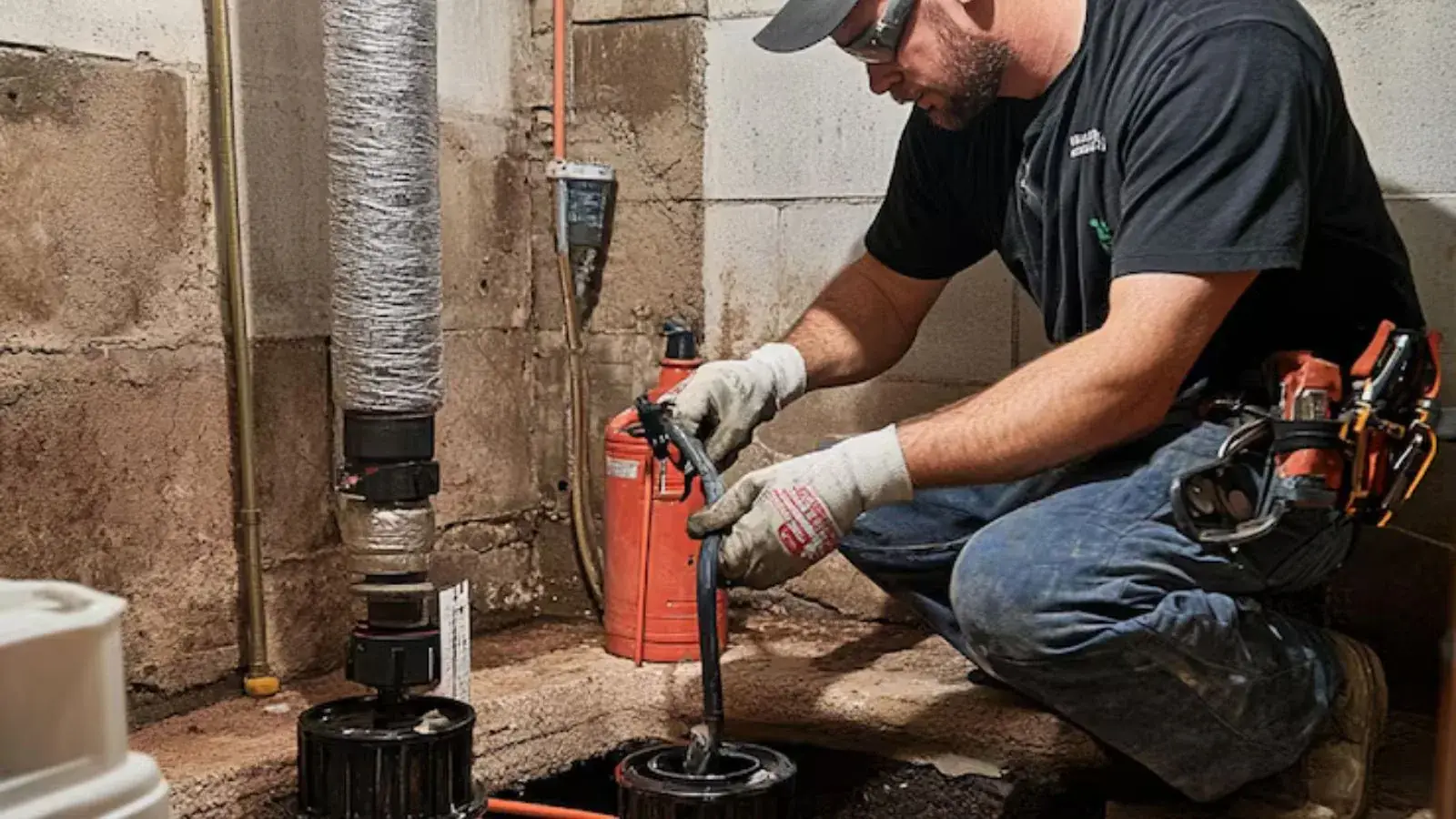
An interior drain is a channel cut along the base of the wall under the slab edge. A perforated pipe in gravel collects water and sends it to a sump pit, where a pump discharges it outdoors. The system catches water at the footing before it reaches the floor, and it can be finished and covered with a wall liner.
Cracks and the soil under the house
Not every crack means water. Many basement floor cracks are shrinkage cracks that stay dry, and some are signs that soil is pushing on the slab. Cracks that widen, offset or leak deserve a closer look. Injection can seal a stable crack, but a moving crack needs the cause addressed.
The basement is damp, or you want to finish it and need a dry start. Call and describe the problem.
Call (303) 552-3896Window wells and grading
Window wells collect rain and snow, and a plugged well sends water to the glass and into the basement. Clearing debris, adding a drain and installing covers fix many leaks. Soil around the house should slope away from the foundation, and downspouts should discharge several feet away.
Finishing a basement
If you plan to finish a basement, waterproofing comes first. New walls, flooring and a bathroom need a dry space, and Commerce City lists interior alterations including finished basements among permit items. The plumbing installation page covers adding a bathroom.
Commerce City soil and basement notes
The Colorado Geological Survey says expansive soils are the state's most significant geologic hazard, with swelling clay pressing on foundations and slabs. It also says poor surface drainage, vegetation planted against the foundation and over-watering near the house are common contributors, so fixing grading and sprinklers is a real part of waterproofing here, not just a cheap extra.
The survey notes that soil under a house is often dry when construction disturbs it, and that water added later can stay. If your house is fairly new, watch the basement after your first wet season, because settling and landscape watering are when drainage problems can show up.
What shapes the price
- Method
- Grading and downspouts cost less than interior drains, which cost less than exterior excavation.
- Length of wall
- Longer perimeters need more pipe, labor and pump capacity.
- Finished or unfinished
- Finished walls and floors add demolition and repair.
- Sump and discharge
- The pump, pit and discharge line add costs.
- Cracks
- Injection is priced per crack, and structural repair is separate.
Insurance note: most homeowner policies do not cover groundwater seepage or flooding from the ground, though some offer water backup coverage. Check your policy before you finish a basement.
Want your real number? Call (303) 552-3896 and the price will be explained before work starts.
Sources and standards
Commerce City adopted the 2021 International Plumbing Code (IPC) with local amendments, and its Building Safety Division at 303-289-3790 answers permit questions. Check any plumber through the State Plumbing Board on the Colorado Division of Professions and Occupations site.
Common questions
Signs include damp walls, white mineral deposits, a musty smell, water after rain, and floor cracks that leak. A plumber can look at the pattern and suggest a plan.
Sometimes. If water enters after rain and the soil slopes toward the house, grading and downspouts may solve it.
Interior systems manage water that reaches the foundation. Exterior systems keep it off the wall. Each has a role, and the choice depends on how the water enters.
It stops liquid water. Humidity may still need a dehumidifier.
Yes. See sump pump installation and repair for details.
The city lists interior alterations including finished basements among permit items. Call 303-289-3790 to confirm.
A dry basement starts with the right diagnosis. Call to describe the problem and book a visit.
Call (303) 552-3896